
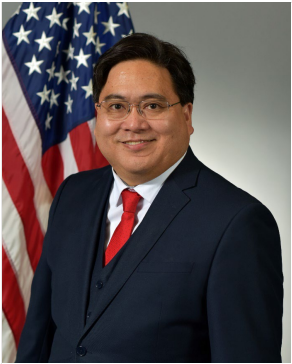
Mr. Mark Honda is the Space Systems Command Chief Engineer working in the Space Systems Integration Office, United States Space Force. He is also a Division Chief for Enterprise Engineering in the Space Systems Integration Office, United States Space Force. As Chief Engineer, Mr. Honda provides leadership in guiding the Systems-of-Systems integration effort across all portfolios within SSC’s program executive offices, as well as with mission partners in the National Security Space Enterprise. As the Division Chief for Enterprise Engineering, he leads a diverse portfolio of engineering functions to horizontally integrate SSC and mission partner programs.
Prior to this position, Mr. Honda held a variety of technical and leadership positions in industry. He started his career at Hughes Space and Communications (later Boeing Space and Intelligence Systems) in 1995 within the Systems Engineering organization. During this time, he gained experience across the full systems engineering life cycle – from proposals, space vehicle development, unit design and manufacturing, verification and validation, space vehicle integration and test, launch and mission operations, and on-orbit support to customers. In 2004, he was promoted to the Electrical Power and Harness Systems Engineering group manager. Following his tenure with Boeing, in 2008, The Aerospace Corporation recruited Mr. Honda as a Senior Project Engineer in the Space Superiority Systems Department where he also subsequently served as a Senior Project Leader in the Advanced Programs Department. In 2020, Raytheon Space and Intelligence recruited Mr. Honda as an Associate Director working as the Program Area Chief Engineer (PACE) for the Civil, Commercial, and International (CC&I) portfolio.
Over his career, Mr. Honda participated in over 25 launch and mission operation campaigns and worked over 13 programs from award through launch across commercial, civil, DoD, and classified customers. He has also earned two patents.

Matthew Sipe currently serves as the Department of War (DoW) MOSA Cadre Lead, leading Acquisition Transformation Strategy initiatives to accelerate the adoption and implementation of the Modular Open Systems Approach (MOSA) across the Department. Matt spent the last few years in industry focused on corporate strategy, helping organizations align technology, business, and growth objectives. Prior to that, he served as the U.S. Army Aviation Chief Engineer and Chief Architect, where he led enterprise architecture and engineering efforts for Army Aviation modernization. Matt began his career as an active-duty U.S. Air Force officer supporting Special Operations C-130 aircraft, providing operational and engineering expertise in support of special operations missions. Throughout his career, Matt has worked at the intersection of engineering, architecture, acquisition, and strategy, with a focus on accelerating the delivery of interoperable, modular, and mission-ready capabilities to the warfighter.
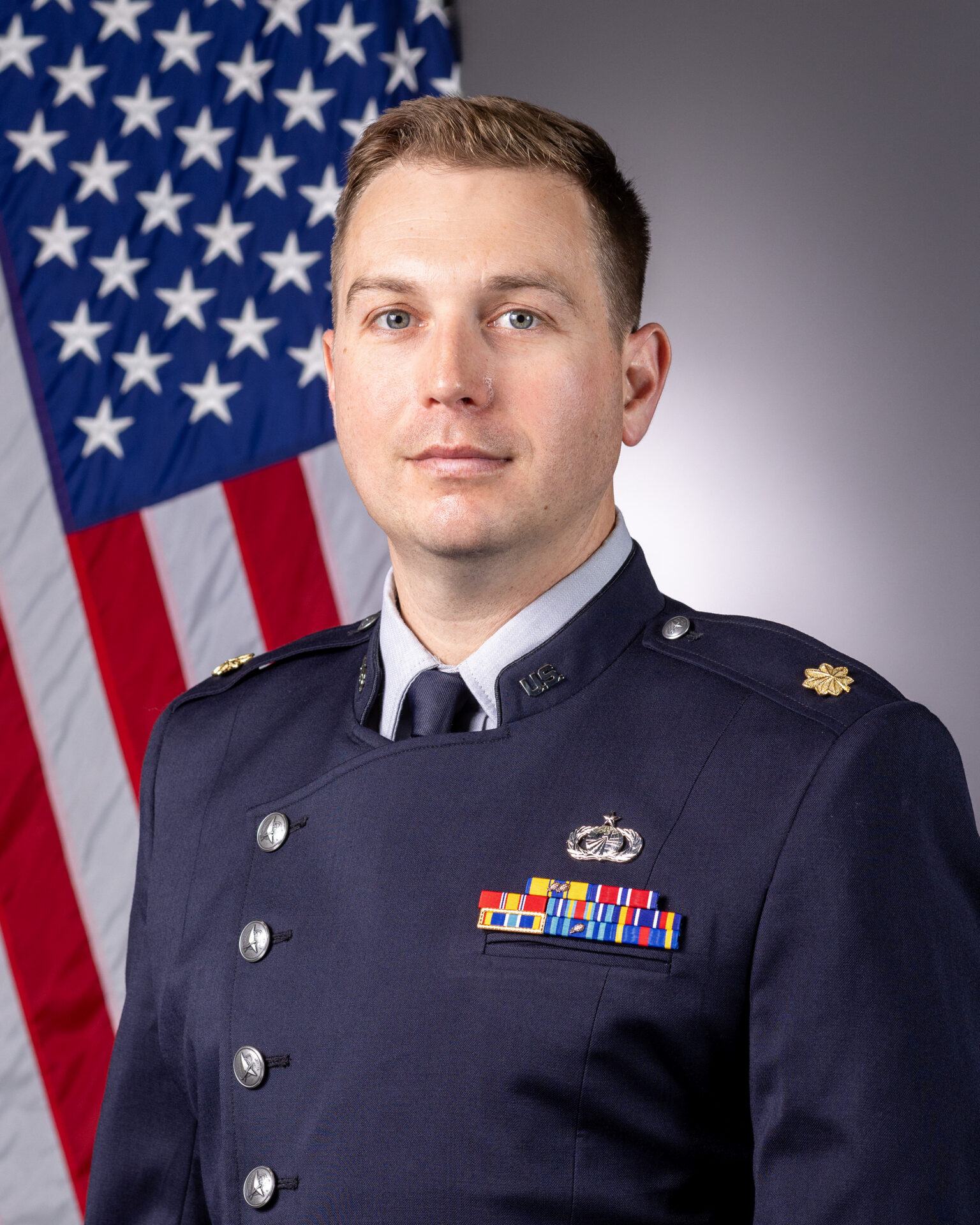
Major Nathan Gapp leads governance for space enterprise integration and outreach to commercial and allies & partners at Space Systems Command in El Segundo, California.
Major Gapp commissioned via Officer Training School in 2013. He has served in a diverse array of engineering, acquisition, and joint leadership positions across the space enterprise. His foundational technical and staff roles include serving as the Chief of the Directorate Action Group at the Air Force Research Laboratory and Commander’s Speechwriter at the Space and Missile Systems Center. Beyond traditional space acquisitions, his unique experience spans deployed contingency operations as an Acting Contracting Officer in Southwest Asia, fostering commercial technology integration as a Joint Program Manager at the Defense Innovation Unit, and driving global partnerships.
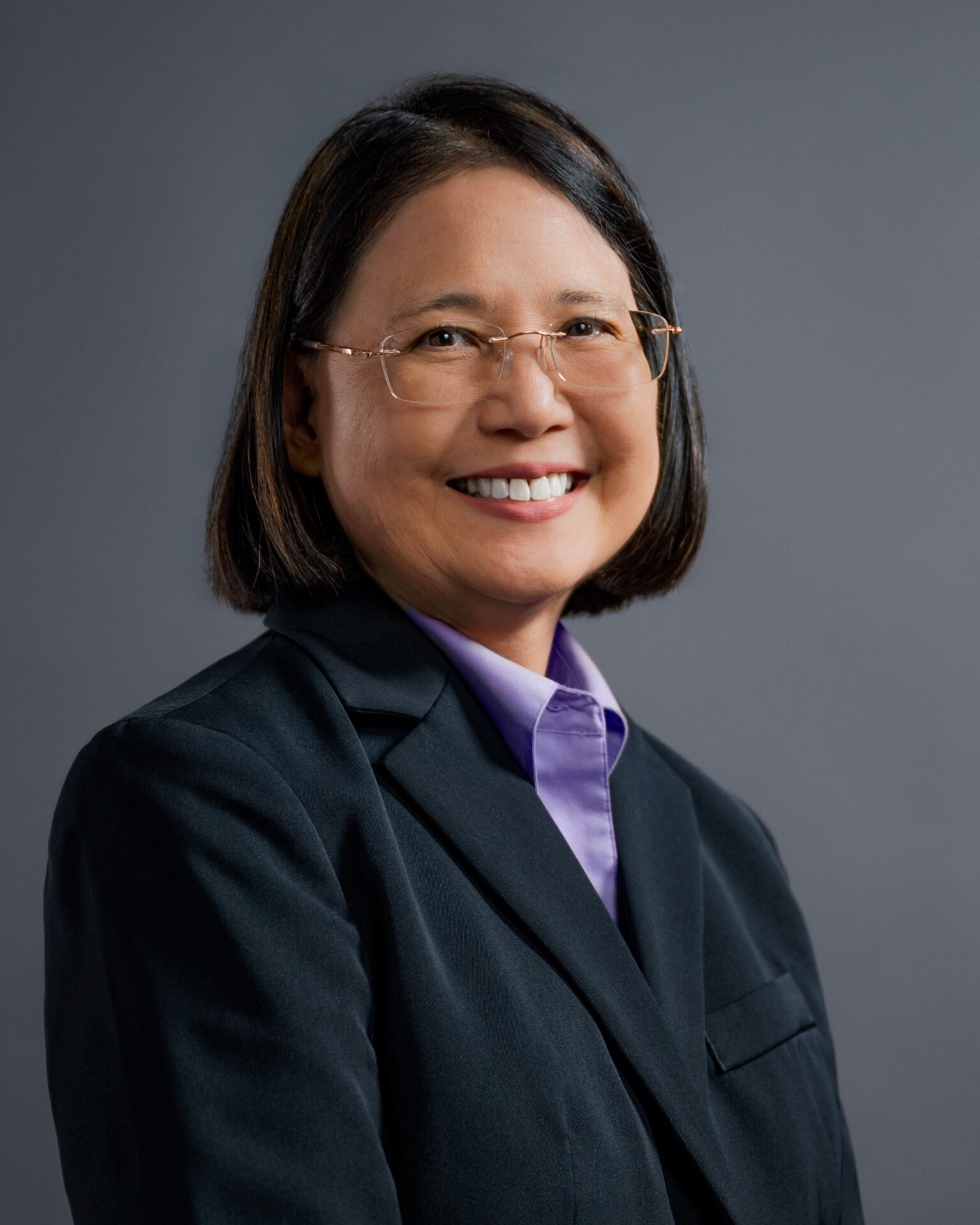
Ms. Vale Sather is a Senior Project Leader at The Aerospace Corporation. She has a Master’s degree and forty years of experience in the Aerospace industry working on hardware and software development for commercial and national security space programs. Her recent role as manager of the Industry Standards and Technology Organization (ISTO) Space Systems Modular Open Systems Approach (MOSA) Interface Standards Alliance evolved from managing and developing traditional mission assurance standards for the Space Systems Command (SSC) to the more complex process of coordinating multi-engineering-domain Government and Contractor teams for the development of system-level interface standards that facilitate interoperability across space systems using MOSA. She has pioneered the use of agile development methods, combined with digital engineering approaches, to accelerate and enhance interoperability standards development. Applying strong systems engineering rigor, she has pushed the ISTO Space Systems MOSA Interface Standards Alliance to high levels of productivity while maintaining the same product quality the traditional SSC mission assurance standards have.
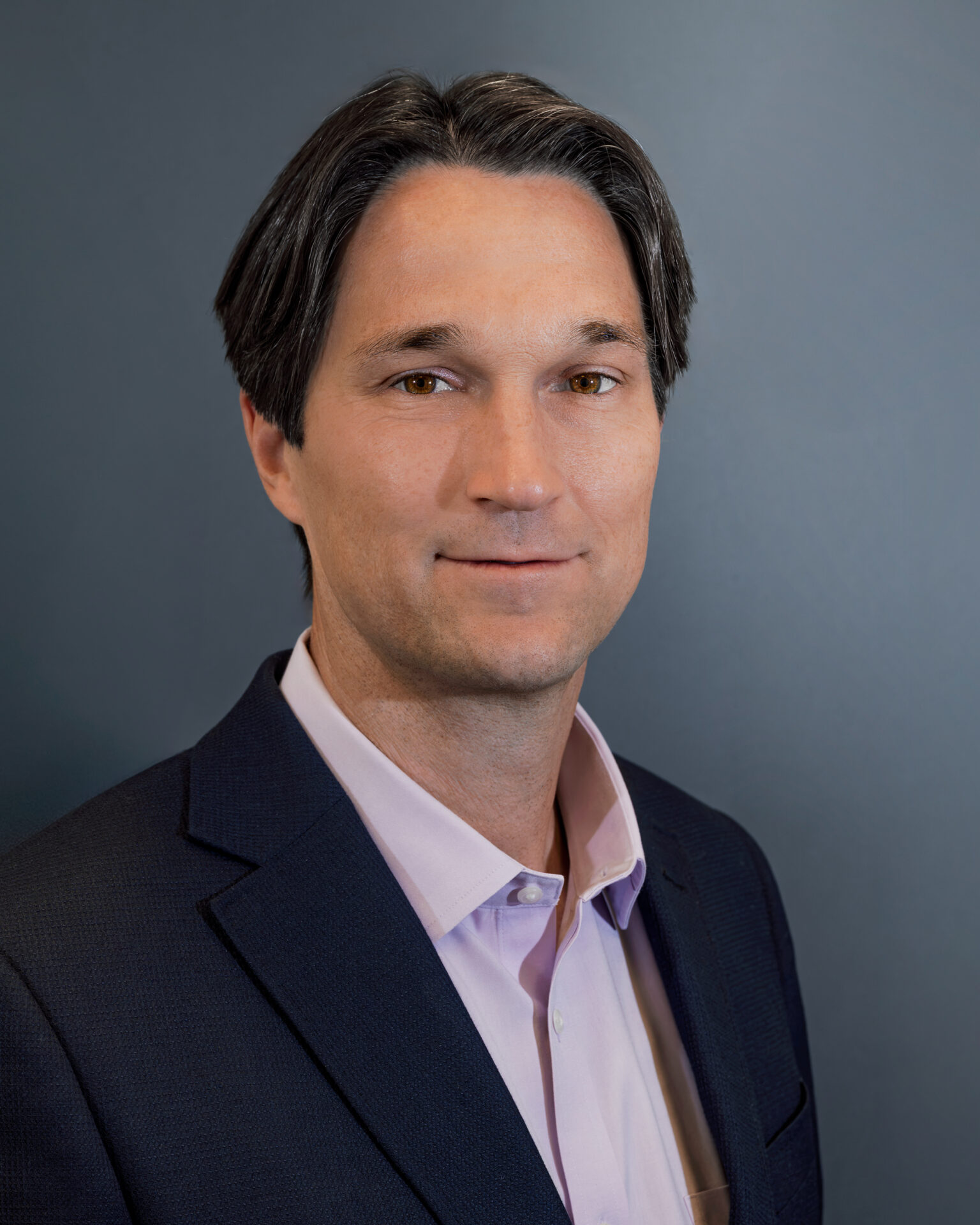
Greg Mowles is a Model Based Systems Engineering specialist at the Aerospace Corporation. For five years, he has contributed to standards modeling efforts with the Space Systems Modular Open Systems Approach (MOSA) Interoperability Alliance. His background includes eight years in satellite vehicle engineering and five years in satellite operations. He holds degrees from the University of New Mexico and George Mason University.
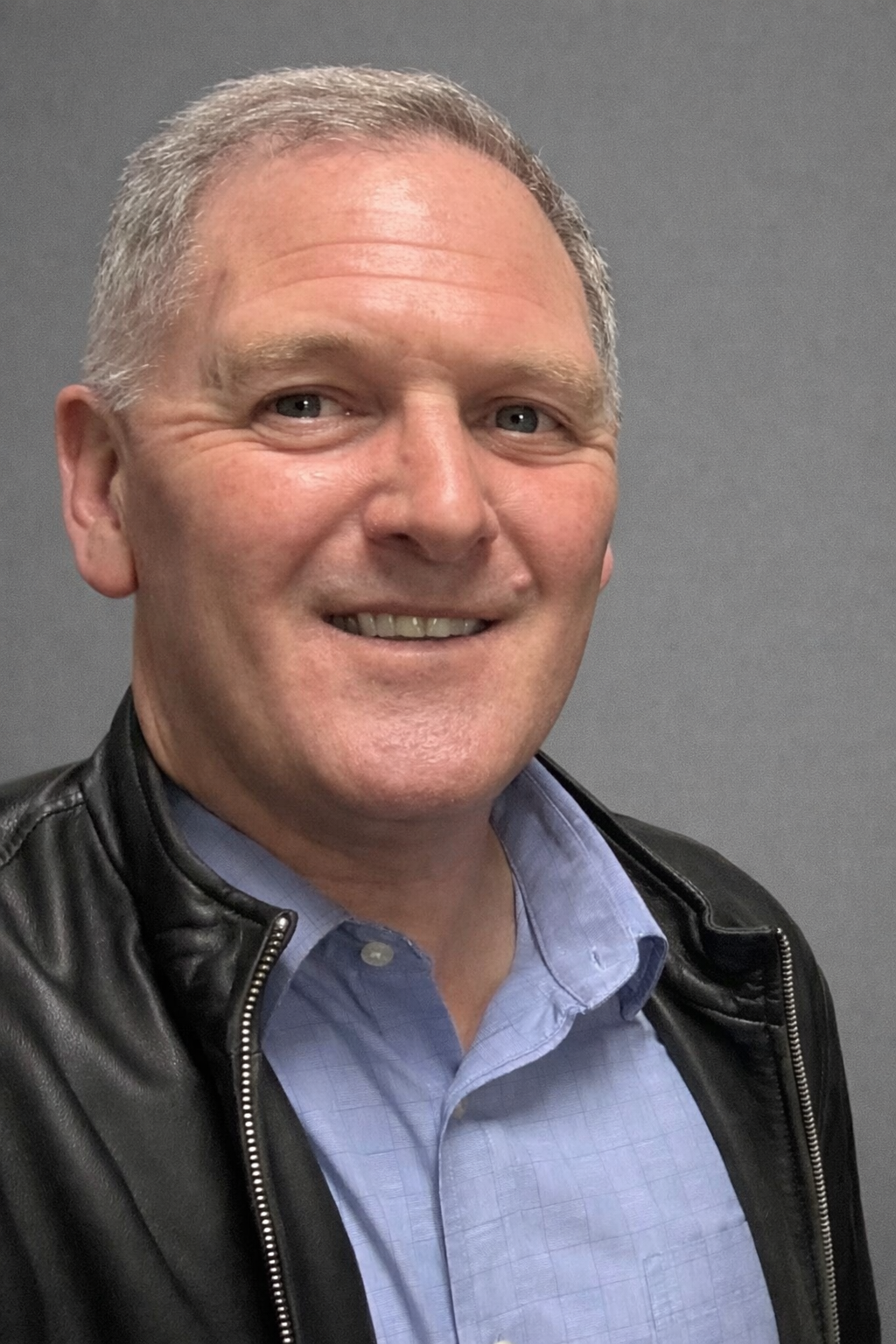
Mr. Lane Gilchrist is the Vice Committee Chair for the User Experience-User Interface (UX-UI) Committee. He provides support as a contractor to the Space Systems Integration Office under the United States Space Force. He served in the United States Air Force with various roles as a satellite operator, instructor, and acquisition officer. He retired from the United States Air Force in 2015 and joined Alpha Omega Group serving in various engineering and leadership roles. He currently serves as a senior engineer within his company.
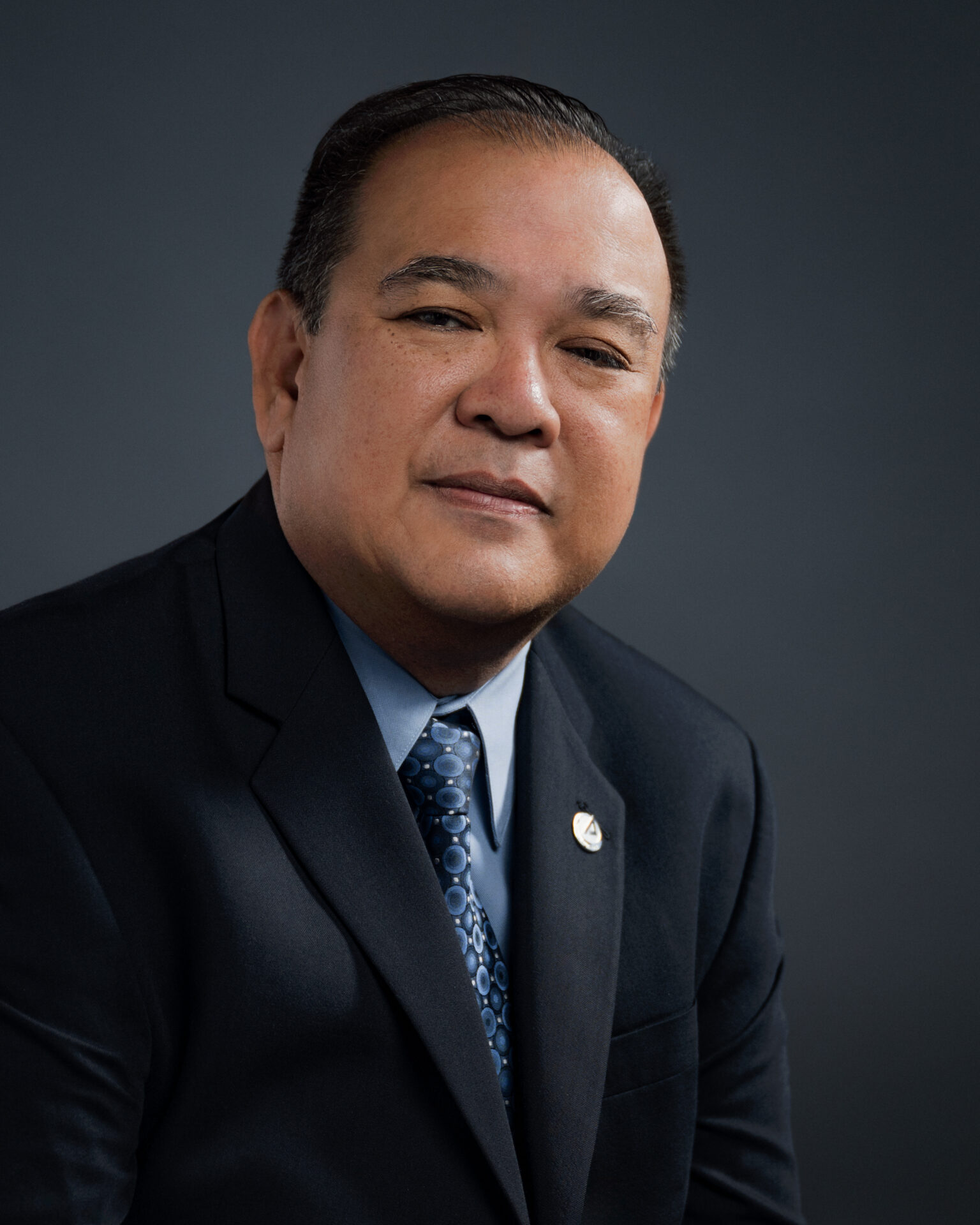
Dr. Edward Carolipio is a Senior Project Leader at The Aerospace Corporation with over 25 years of experience in the acquisition, development, deployment, and sustainment of space systems and software-intensive ground systems. Over his career, Dr. Carolipio has worked primarily in systems engineering across the program lifecycle as well as system architecting, modeling, analysis, and simulation. He has particular expertise in the specialty engineering topic areas of reliability engineering, system safety, aviation safety, and mission assurance. He has a Ph.D. in Physics from the University of California, Irvine, and a B.A. in Physics from the University of California, Santa Cruz.
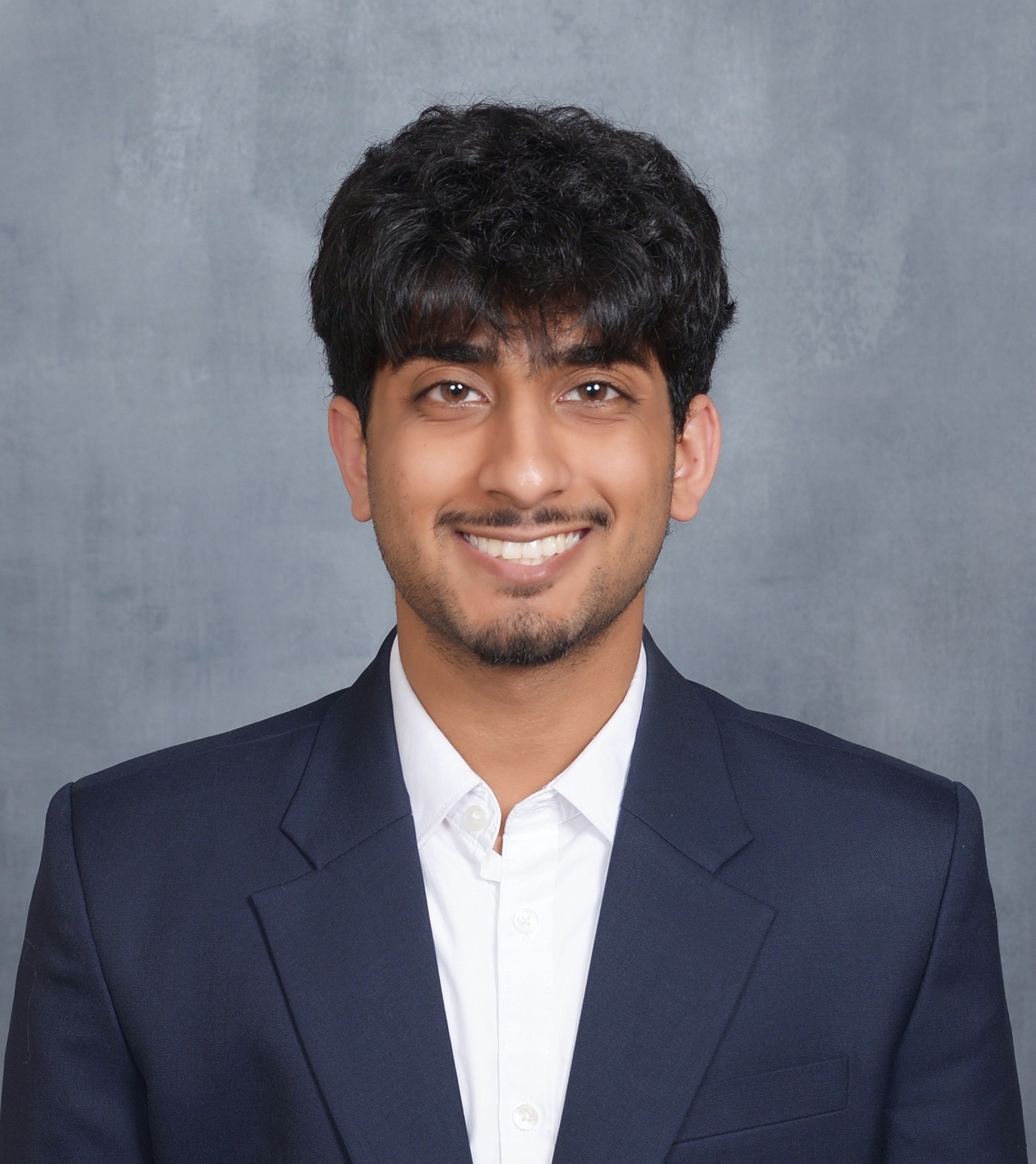
Shivam Shrivastava is a Digital Systems Engineer at The Aerospace Corporation, supporting the Industry Standards and Technology Organization (ISTO) Space Systems Modular Open Systems Approach (MOSA). He utilizes model-based systems engineering (MBSE) to develop digital standards for space system interfaces, as well as other modeling efforts. Shivam earned both his bachelor’s and master’s in aerospace engineering from Virginia Tech.

Abd Al Rahman Chamas is a Senior Engineering Specialist at The Aerospace Corporation. Abd Al serves the Modular Open Systems Approach (MOSA) Alliance as the Chair of the Free Flyer Capture Fixtures (FFCF) Committee. In his role, he has provided technical and programmatic guidance to the FFCF Berthing Mechanism standard development effort, aiding the team in the down selection of core technologies and capabilities while supporting elements of the effort as a subject matter expert. Abd Al brings 5+ years of hands-on industry experience from new-space startups, with specialized focus on space mechanisms, optomechanical systems, product development, and detailed space vehicle mechanical design. He holds a Master’s degree with a focus on Program Management and Systems Engineering and brings years of engineering management experience to the group.
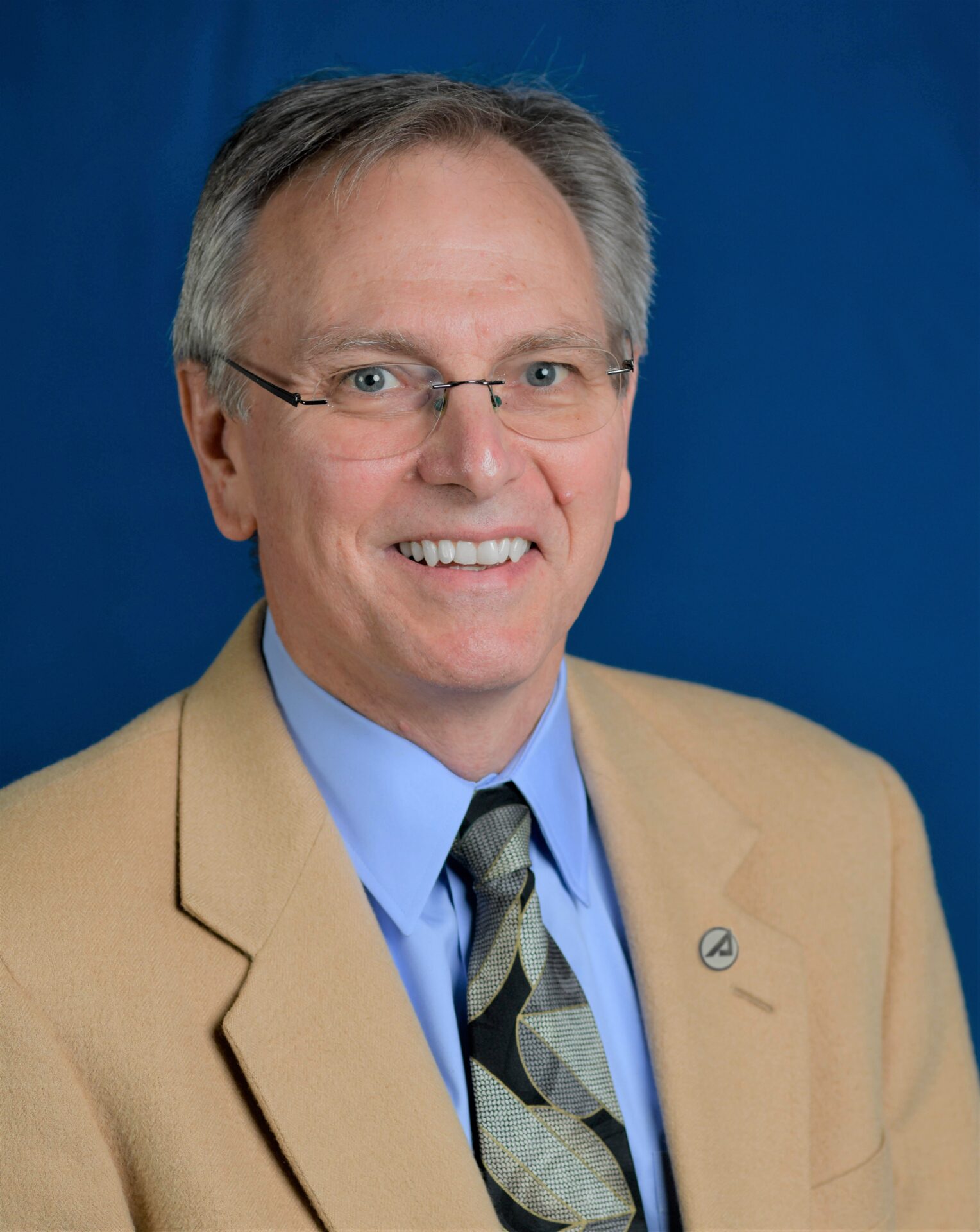
Doug Conley is Chief Engineer for Launch, Missiles and Mobility at The Aerospace Corporation. He provides strategic technical advice to senior company and customer leadership, and is responsible for defining, developing and implementing technical processes across the national security, civil, and commercial launch enterprise. Mr. Conley currently chairs the Industry Standards and Technology Organization (ISTO) Space Systems Modular Open Systems Approach (MOSA) Interface Standards Alliance committee for spacecraft/launch vehicle interfaces, which is developing an industry standard for highly-standardized payload/launch vehicle interfaces for National Security Space Launch (NSSL)-class missions.
Prior to joining Aerospace in 2016, Mr. Conley held positions as Director of Mission Assurance at Sea Launch, Space Segment Technology Chief Engineer at New Skies Satellites in the Netherlands, Launch Vehicle Program Office Principal Engineer at Intelsat, Extreme Ultraviolet Explorer Integration and Test Manager at the National Aeronautics and Space Administration Goddard Space Flight Center and Senior Project Engineer in the Spacecraft Systems Engineering Laboratory at Hughes Space and Communications Group (now Boeing Satellite Systems).
Mr. Conley earned his BS in Engineering & Applied Science from the California Institute of Technology (Caltech), and his M.S. in Dynamics and Control from the University of California, Los Angeles (UCLA).

Joseph Fuerst is a Machine Learning Engineer at The Aerospace Corporation. He has spent nine years contributing to enterprise-scale AI/ML research and solutions for space-based systems and conducting research into efficient and assured Artificial Intelligence/Machine Learning (AI/ML) outcomes for the government. He holds an M.S. in Computer Science (Machine Learning) from the Georgia Institute of Technology and bachelor’s degrees in Computer Science from Oregon State University and Chinese from Michigan State University.

Ryan A. Noguchi is a Principal Engineer at The Aerospace Corporation, serving as a corporate subject matter expert in model-based systems engineering (MBSE), digital engineering (DE), and digital transformation. He serves as Chair of the Model MBSE Modeling Standards Committee of the Space Systems Modular Open Systems Approach (MOSA) Interface Standards Alliance, as Chair of the INCOSE Object Oriented Systems Engineering Method (OOSEM) Working Group, and as the Aerospace representative in standards organizations in the MBSE and DE domains. He has received the Object Management Group (OMG) Certified System Modeling Professional—Systems Modeling Language (SysML) Model Builder Advanced and OMG SysML v2 Model User certifications.

Dr. Adina Matache is a senior communications and signal processing engineer with over two decades of experience developing advanced communications, coding, and signal processing technologies for aerospace, defense, wireless, and biomedical applications. She currently serves as a Senior Engineer Specialist at the Aerospace Corporation, where she leads research and standards development in satellite and optical communications, waveform design, adaptive coding and modulation, and anti-jamming technologies. Previously, she held engineering and research positions at Marvell Semiconductor and National Aeronautics and Space Administration (NASA)’s Jet Propulsion Laboratory, where she developed algorithms for Multiple-Input Multiple-Output (MIMO) systems, Orthogonal Frequency-Division Multiplexing (OFDM) transceivers, and advanced channel coding schemes for WiMax and WiFi standards and contributed to turbo code development and wavelet-based image compression for deep space missions. Dr. Matache authored numerous technical publications, holds multiple U.S. patents, and actively contributes to the engineering community through standards development, peer review, and technical leadership. She earned her Ph.D. in Electrical Engineering from the University of California, Los Angeles (UCLA).